The School
ATTSW is a STAT-approved teacher training course where you can gain an internationally recognised qualification as an Alexander Technique Teacher.
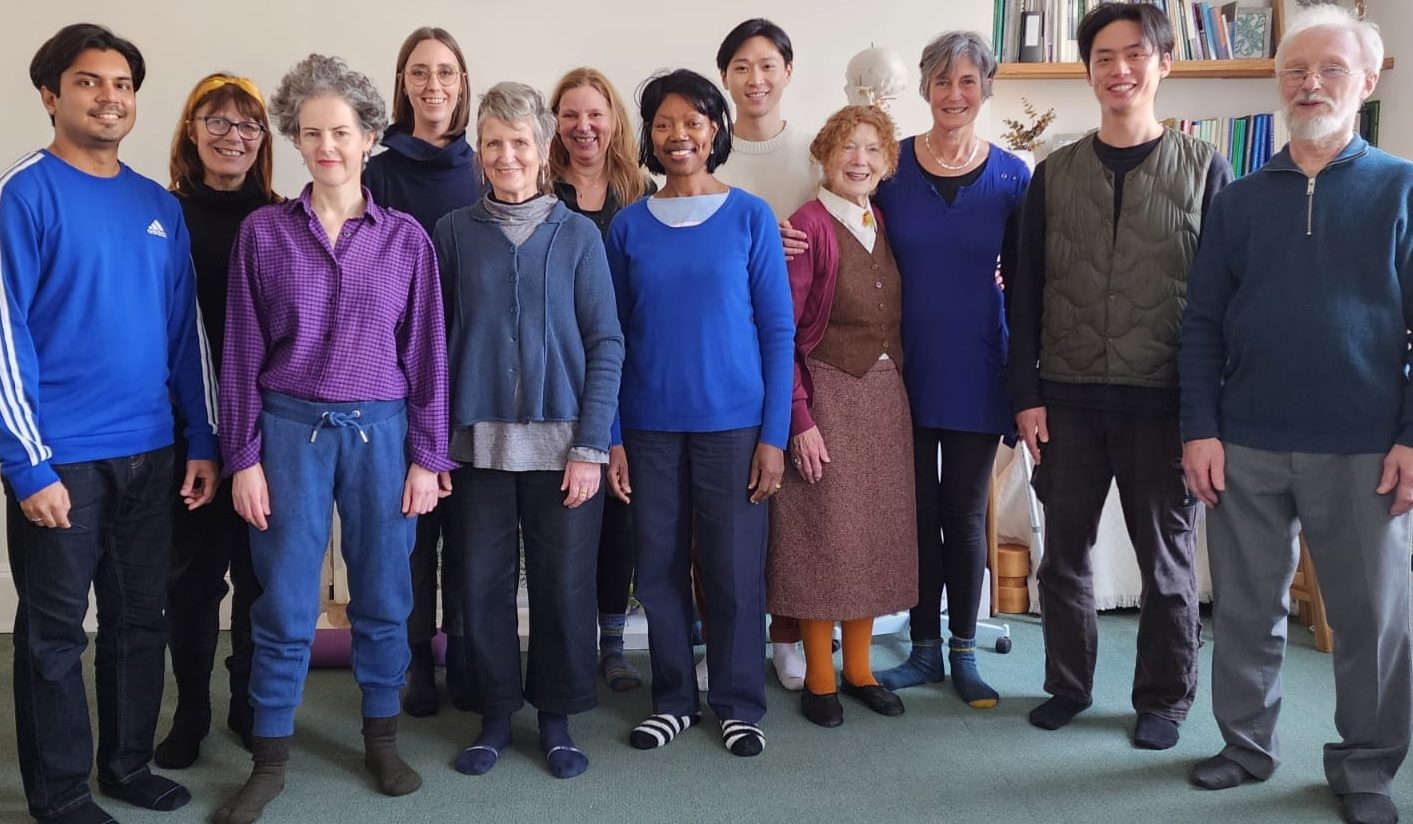
Our course has a focused but friendly atmosphere. Learning alongside other trainees is extremely beneficial, as well as being fun.
Gunda, our Head of Training, is supported by a core team of highly experienced teachers. The school also welcomes an exciting and diverse range of guest teachers.
The Training usually takes three years to complete. We also offer the option of 4 years with a reduced number of hours per week.
Location
Because ATTSW is the only STAT-approved training course in the South West of England, many of our trainees have to travel to our main venue (The Mansion) in Totnes.
We offer one session within the week that you can choose to have either in Bristol with Shella Parry, or in Totnes with Gunda.
We also reduce travel by meeting in Exeter once a month.

The School Year
The school year has 3 terms of 12 weeks, with a one week half-term break.
The standard 3 year training requires:
- 13 hours a week of class time and 14 in the final year.
- 10 individual lessons a term for each trainee, which amounts to 30 lessons in a school year.
Click here for more information about the 4 year option.
The School Hours
- Tuesday: 13:45 – 16:45, Totnes or Wednesday: 13:00 – 16:00, Bristol
- Thursday: 10:30 – 15:30, Totnes
- Friday: 10:30 – 15:30, Totnes/Exeter; one Friday out of every month will be spent in Exeter.

Our Curriculum
The First Year

First year trainees use what are known as directed activities to learn to recognise and work with their habitual responses in the form of muscular tension.
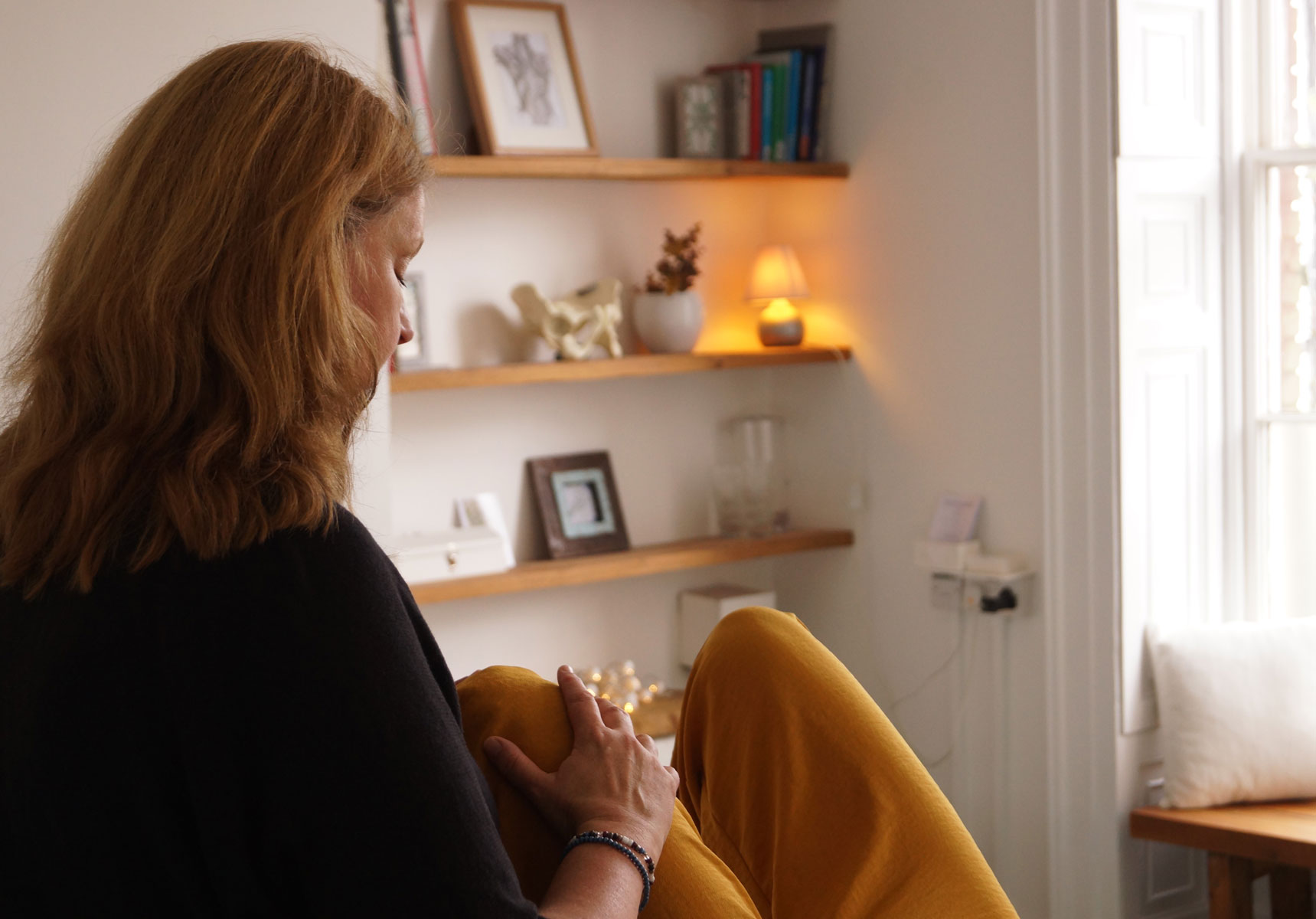
“Handwork” is about working with the stimulus of a pupil. It’s an opportunity to take time to inhibit, direct, observe and build spatial awareness. The teachers move the trainee’s hands for them, or the pupil moves while the trainee learns to move with them, maintaining contact and prioritising their own good use.
The study of anatomy, with a focus on the engineering of the body, is an important part of the course.
Books by F.M Alexander will be read and discussed, as well as writing by other significant AT Teachers.
The trainees are introduced to voice work.
The Second Year

Continuing all the activities of the first year, the trainees begin to understand the Technique as another kind of ‘language’ involving non-verbal dialogue between their own and their pupil’s nervous systems.
Above all, they continue to work on inhibiting immediate responses so as to enable both themselves and their pupil to experience change.
The Third Year

Trainees continue to deepen all the above, further refining handwork sequences and coordinating non-verbal and verbal communication alongside increasingly accurate observation.
They work on directed activities with the added skill of teaching these to their pupil. They learn to maintain good use and a non end-gaining approach.
There are opportunities to practise with members of the public under supervision, and in Bristol to provide supervised lessons to Bristol University Music students.
Some written work and reading is expected, as well as ongoing curiosity and exploration of the Technique in the trainee’s daily life.
By the end of the course the trainees have a solid foundation from which they can build their own Teaching practice.
Directed Activities or D.As
Directed activities are one of the main components of the training.
Designed as building blocks for everyday movements such as walking, writing, lifting and carrying objects, they can in fact be applied to any action to illuminate patterns and facilitate greater ease and wellbeing.
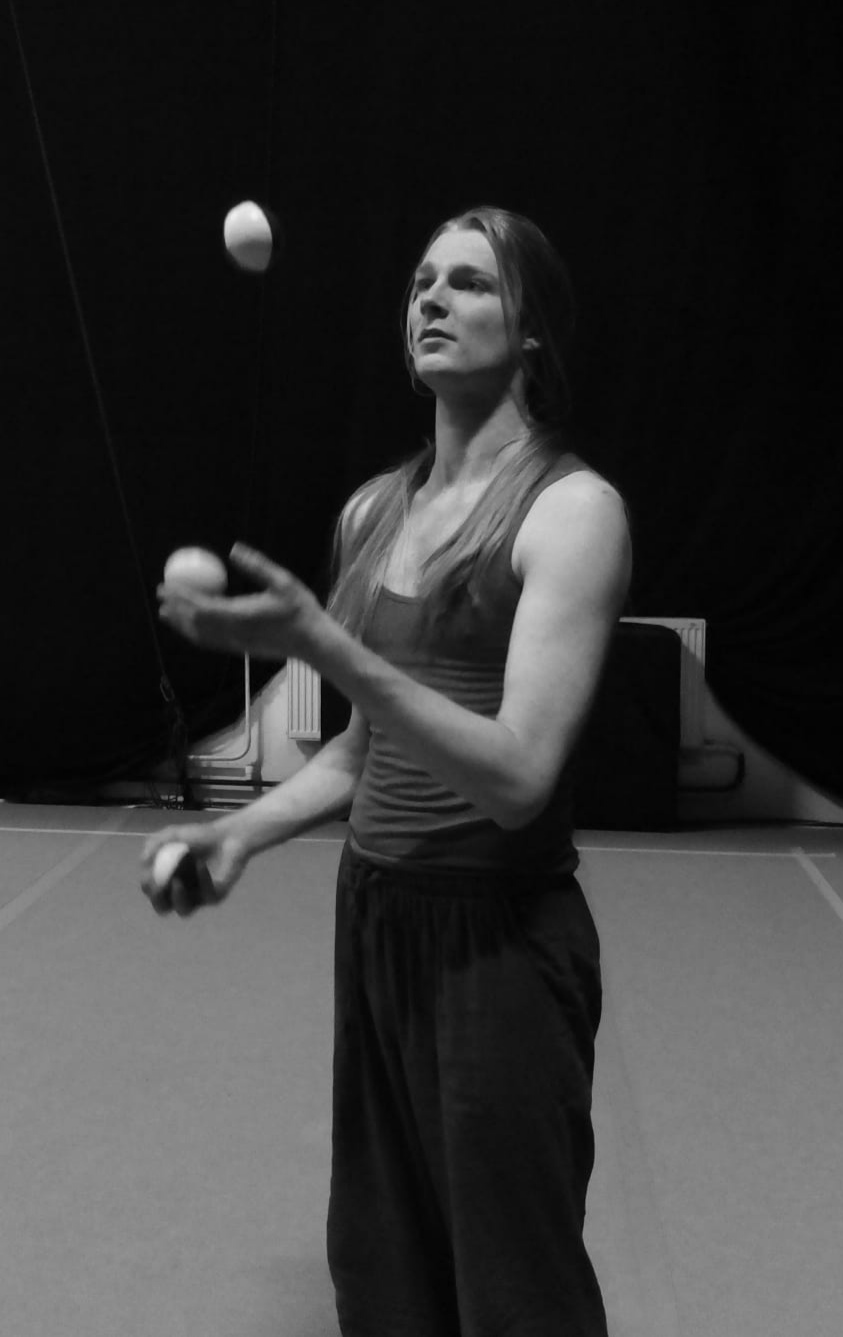
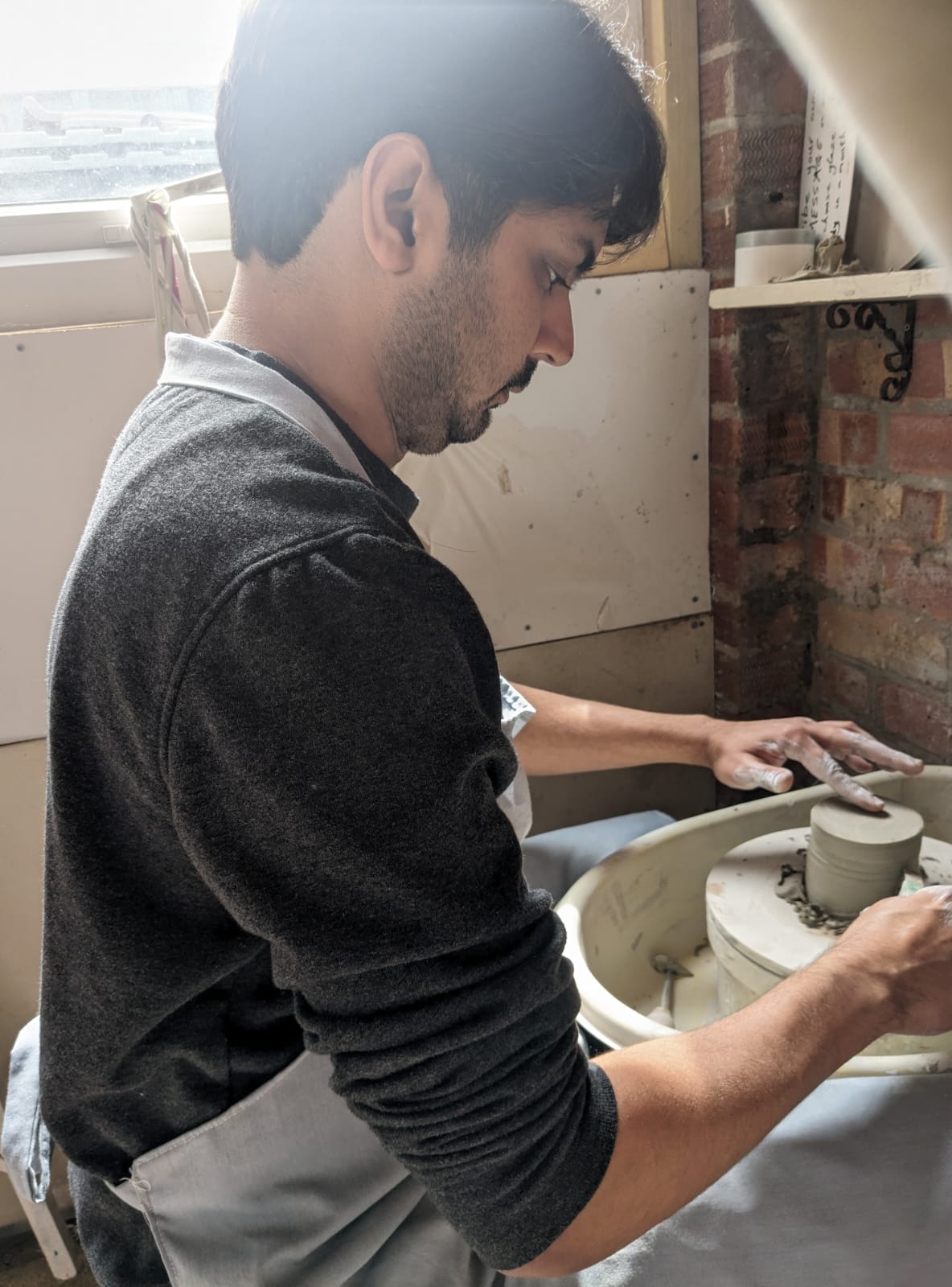
They can also be used for skilled activities such as Argentinian Tango, sport, playing an instrument, juggling or pottery. Because Totnes is close to beautiful countryside, we are able to take some activities outdoors.

Moderation and Assessment
ATTSW trainees have two moderations (with Trisha) over the course of the training and are put forward for the STAT Assessment Procedure (SAP) at the end of their final term.
They are assessed by Gunda, John (who they know from regular termly visits) and an Independent External Assessor.
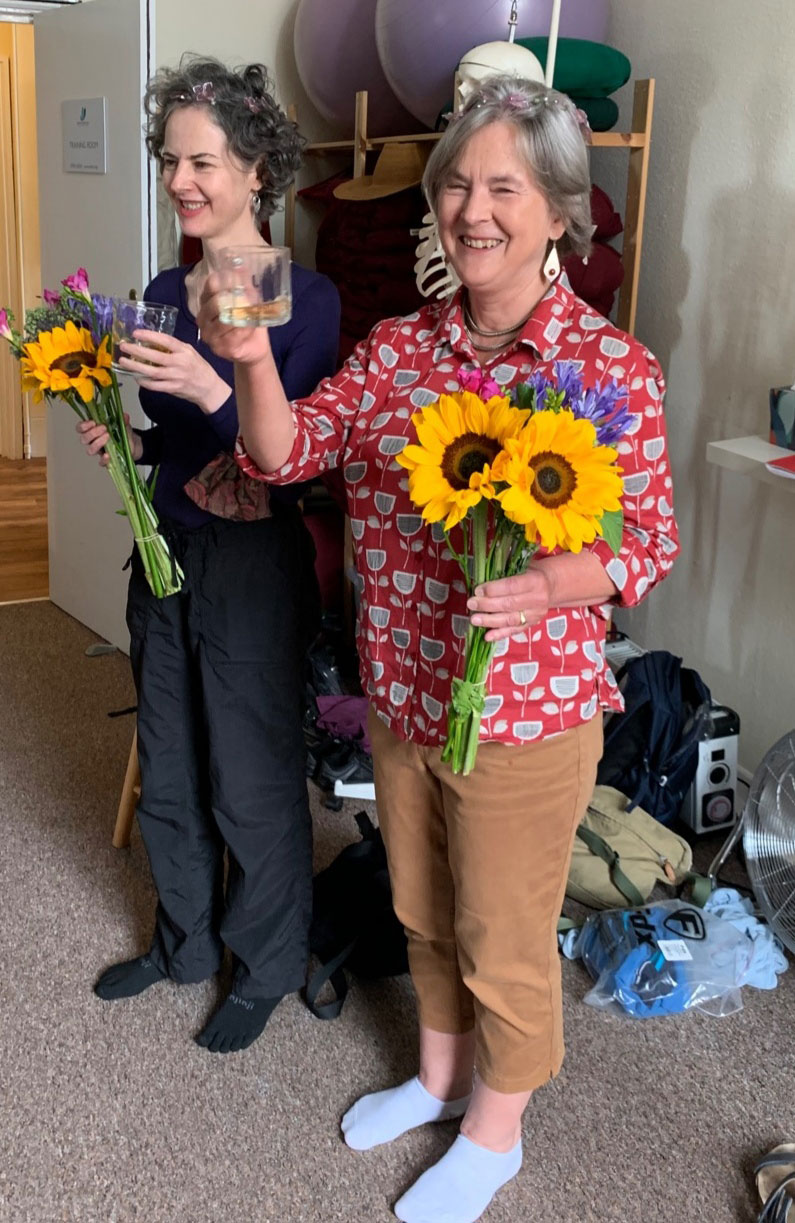
On satisfactory completion of the course the trainee graduates to become a teaching member of STAT.

Pricing
The 3 year training course costs £5400 a year (£450pcm). This includes all facets of the training and individual lessons.
The length and cost of the 4 year option varies slightly depending on the days chosen for attending the school. The options are:
- 10 hours of group work a week plus an individual session (training takes 3 years and 2 terms) costs £360pcm
- 8 hours a week plus an individual session (training takes 4 years and one term.) costs £300pcm
The school offers a short term bursary for trainees who encounter severe financial difficulty at any point during the Course. Typically this is a reduction of around £200 a term. For more information on this contact Gunda directly.
If you are considering training, you’re invited to visit the school for a session, free of charge. It is also a good idea to have an individual lesson with Gunda if you don’t know her already. Please call 07734 026372 or email Gundafielden33@gmail.com to arrange a visit.

